By Jason Bruno
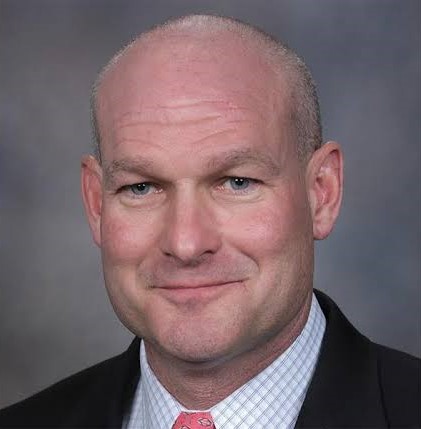
Just weeks before the U.S. Amateur Championship was held at Merion in August, Paul B. Latshaw and I met during media day in late July at Merion Golf Club. For someone like myself (who’s been in the agronomy world since 1987), this was someone I had admired and wanted to talk to for a long time. We are roughly the same age, and yet he has been honing his skills and knowledge since 1978, a career that can only be rivaled by his father – Paul R Latshaw. The father & son are considered the creme de la creme of the industry… the Latshaw name is synonymous with excellence. We agreed to a sit-down conversation about his life in the industry when I returned for the Amateur a few weeks later.
Paul’s turf career started as a boy, following his legendary father (a career of leading the agronomy teams at Oakmont, Augusta National, Wilmington, Congressional and Winged Foot). Paul R. Latshaw was honored as the recipient of the 2026 Green Section Award.
This is PBL’s second stint in Ardmore, his bookend path back to the land of the wickers in 2017 is wrapped around Matt Shaffer’s 15-year run at this Philly classic. In fact, on record since 1912, there have only been five human beings who have held the position of “Head Greenskeeper” at Merion Golf Club:
William Flynn: Served as superintendent 1912-1918, visionary of the iconic wicker baskets to Merion and received patent for the design in 1915.
Joseph Valentine: Served for over five decades starting as a gardener’s assistant in 1907, named greenkeeper in 1911, and holding the superintendent position until his retirement in 1962 (a run of roughly 51–55 years).
Richie Valentine: Son of Joseph, served for 27 years from 1963-1990. Together, the Valentine family run lasted 72 consecutive years.
Paul Latshaw (First Tenure): Served for 7 years beginning in the 1990s, focused on re-grassing the greens on the East Course.
Matt Shaffer: 2002-2017 Director of Golf Course Operations/Superintendent through the 2013 U.S. Open.
Paul Latshaw (Second Tenure): Returned to Merion in 2017 – oversaw the renovations on the East Course in 2018 with Gil Hanse and Jim Wagner.
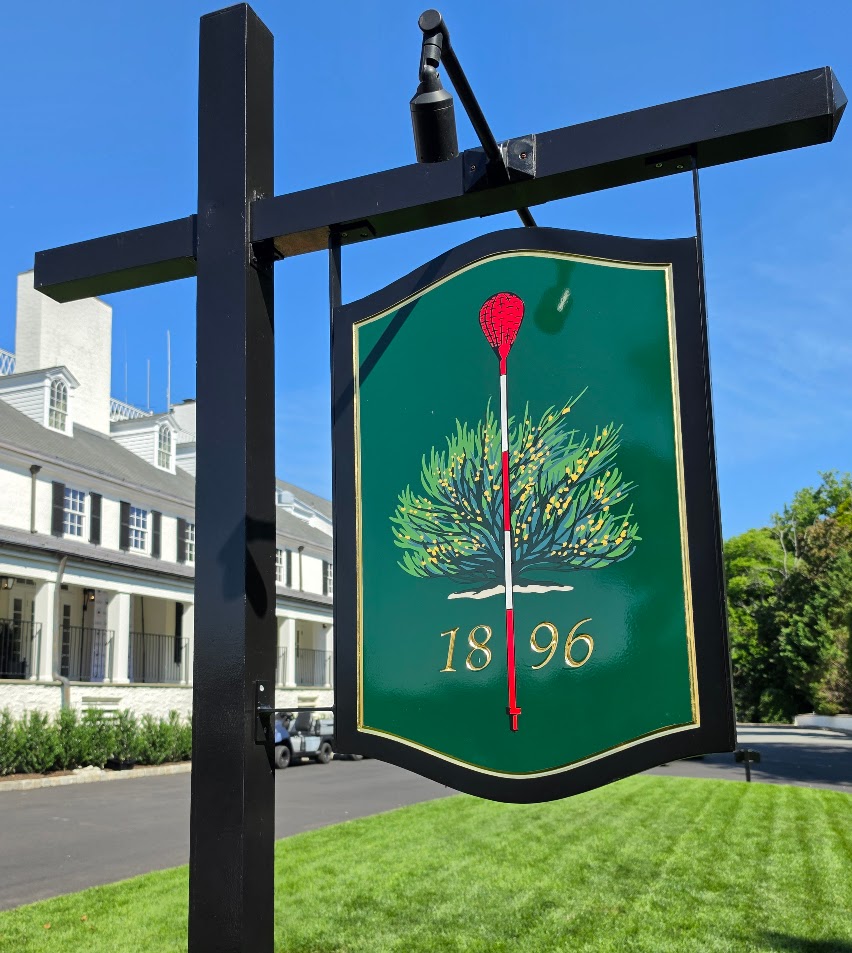
Paul B. Latshaw came back to Merion just as Gil Hanse, Jim Wagner (and the Cavemen crew) were about to start a comprehensive restoration of the 1912 Hugh Wilson design. We sat down with PBL just after his team completed the Wednesday morning set up for the beginning of matchplay of the United States Amateur Championship. There was a buzz around the grounds, and I was thrilled to get a bit of his valuable time. We discussed his agronomy beginnings with Dad, time at Penn State, Oak Hill/2003 PGA Championship, being hired by Jack Nicklaus, the 2013 President’s Cup at Muirfield Village, 2026 Amateur, the 2030 U.S. Open, the future of golf agronomy… and of course, our mutual friend and colleague – Matt Shaffer.
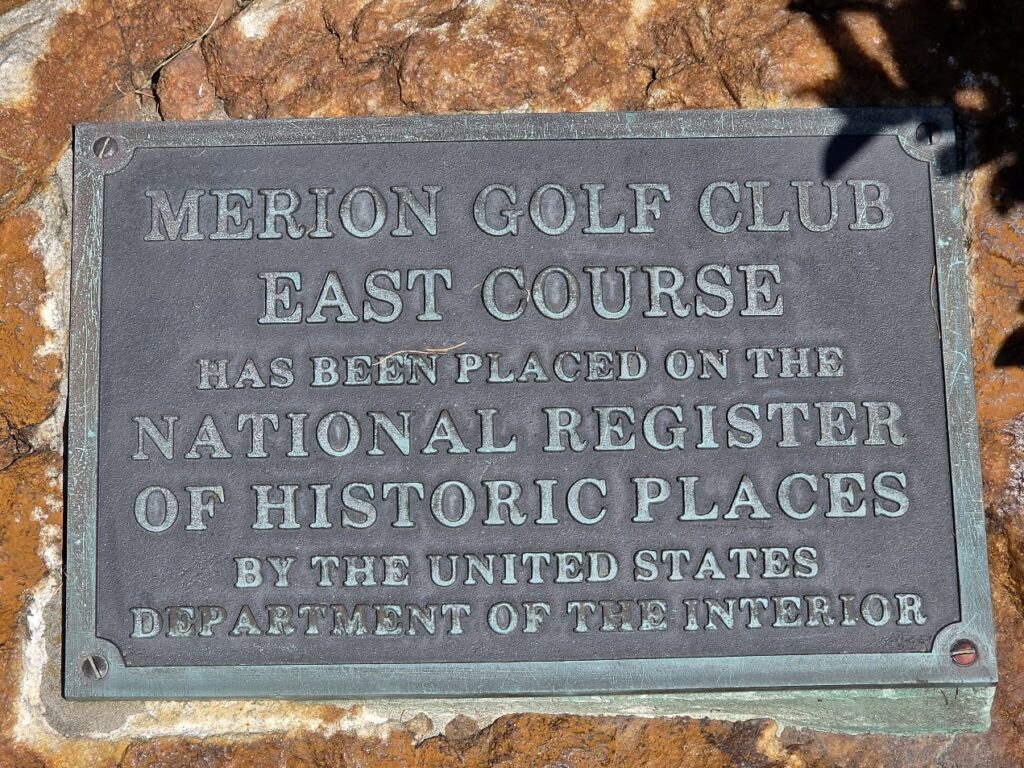
It didn’t take long to realize why PBL has been so successful at every stop of his 48 years in the industry… he’s intensely driven, has an insatiable desire to be the very best at his craft… and a generous spirit of providing mentorship to his team. I learned so much talking to PBL; I hope you do as well…
LinksNation: Before we discuss your career and the U.S. Amateur at Merion this week, on behalf of the turfheads around the world, I’d like to ask you about your Dad (Paul R. Latshaw). How’s he doing?
Paul B Latshaw: You know, he’s battling, he’s got some health issues, it makes you really put things in perspective – wear sunscreen. He’s had some pretty bad skin cancer, but he’s doing well. He’s local about 40 minutes north of us. Being closer to him was a very strong factor in coming back here. I’m an only child, and my mom died relatively young. She was 63 (in 2004), I was at Muirfield at the time. When I decided to come back and do the (Gil Hanse/Jim Wagner) restoration and the Open in 2030, I knew the cadence. It wasn’t solidified, but I knew there was a real strong chance that we’re gonna get the open, so it just made sense to be close to help out when I can… and come back to Merion to finish what I started the first time.
LN: I know as a young guy, you were tagging along with your Dad (at Oakmont), I’ve heard you speak about how special that place is to you. Can you just tell us about those days?
PBL: I have a lot of valuable memories at Oakmont, but you know it really wasn’t just there. His first job was at Jackson, Michigan. I was actually born in Jackson. We lived on property. I really don’t have much memory of that, but as a kid, I was always on the golf course, you know, like a toddler, and then, when he moved to Cleveland, went to Shaker Heights. On the weekends, I’d spend time with him… and, you know, really didn’t do much on the golf course then. I think I was 12, and we had the PGA Championship. And basically I was helping out, but I really wasn’t contributing in a big way, I would dew whip behind a triplex, stuff like that. Then I started working for him full time when I was 13 and worked all the way through high school, and then when I was a junior, we had the U.S. Open. My father is very hands-on, and he actually watered all the greens himself. So, I would basically get the hose ready and everything, and then he would water the areas. I would wrap up the hose, take it to the next green, and he literally watered every green. I think towards the end, he’s like, “kid, you know what to do, just take care of the rest.”
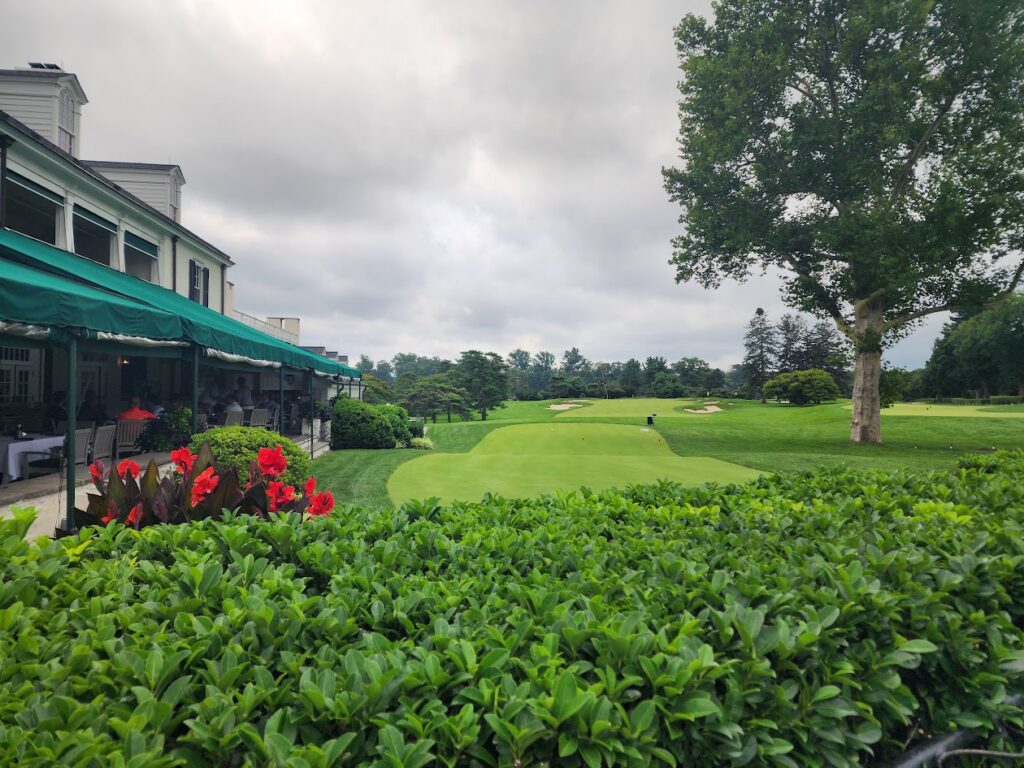
LN: Was it in your blood already at that point, or were you like, there’s no way I’m going to be doing this for a living?
PBL: It was clear, it was the only thing I really wanted to do. I mean, I thought about the military, but you know, I wanted to be a golf course superintendent. My dad was in the military, so I thought about it for a while, but obviously I didn’t go in the military and decided to pursue this profession.
LN: Shaker Heights, is that where your Dad and Matt (Shaffer) worked together?
PBL: No, my Dad was looking for other opportunities after he finished the Open, but he didn’t want to move. My mom wouldn’t let him move while I was in high school. The objective was to get me through high school, and then after that, you know, if something came up… he was going to look at opportunities potentially, and he went down to Augusta National. So, he left Oakmont and took the job at Augusta National. Matt would tell this story better… but what happened is he got down there, he needs assistants, and wanted someone from the North, and Matt was a superintendent who wasn’t getting opportunities. He was losing out to assistants from well-known clubs, Augusta, Oakmont, Winged Foot, Merion, and it’s the way it works in this industry, unfortunately. You know, it’s a little bit like with coaching: if you’ve got a good NFL team…they’re going to go for the assistant coaches from the better teams. He realized that he wasn’t going to potentially get an opportunity to be able to progress his career. So, Matt made a huge sacrifice – took a big pay cut as my Dad’s assistant at Augusta National. I’m not sure of the time frame… it was two years or three years.
LN: Did you guys move down with your Dad, or did you and your Mom stay up here in the Pittsburgh area?
PBL: My mom moved with him, I was in college at Penn State. Matt went down and worked with him for a few years, and then Matt went on to his next job (Superintendent at Woodcrest in N.J).
LN: Can you tell us about your time at Penn State with the legend – Dr. Joseph Duich?
PBL: Yep, I was very, very fortunate. Dr Duich was in charge of the two-year program, I was in the four-year program, and basically, he and my Dad were very good friends, and I was thinking about going into Agronomy. Dr Duich advised me not to, and to go into agricultural science. The reason was that, at that time, Penn State did not have an agronomy program, but they did have turfgrass management. So he told me to go into Agricultural Science, and he was my advisor… and even though he was in the two-year program, he was my advisor for my four-year. So, whatever classes he told me to take for my four-year degree, I took. I graduated from Penn State with a four-year degree, and then it gets interesting. I wanted to keep the thread with Dr Duich going. At one point, I was thinking about going back to grad school. I was looking at going to NC State and was about ready to apply. I was an assistant for my Dad at Wilmington, but was interested in going back to Penn State’s two-year program, but I wasn’t going to take two years off from work to do a certificate program, and Dr Duich called me literally two weeks before the program, and he said, “you could take the two-year program in one year.” So I took a sabbatical from being an assistant, went back to Penn State, and took the two-year program. Even the classes I was exempt from, I decided to take, and figured if I’m paying the money – might as well take them. So I took a two-year program in one year. It was pretty intense.
LN: Were you married at the time?
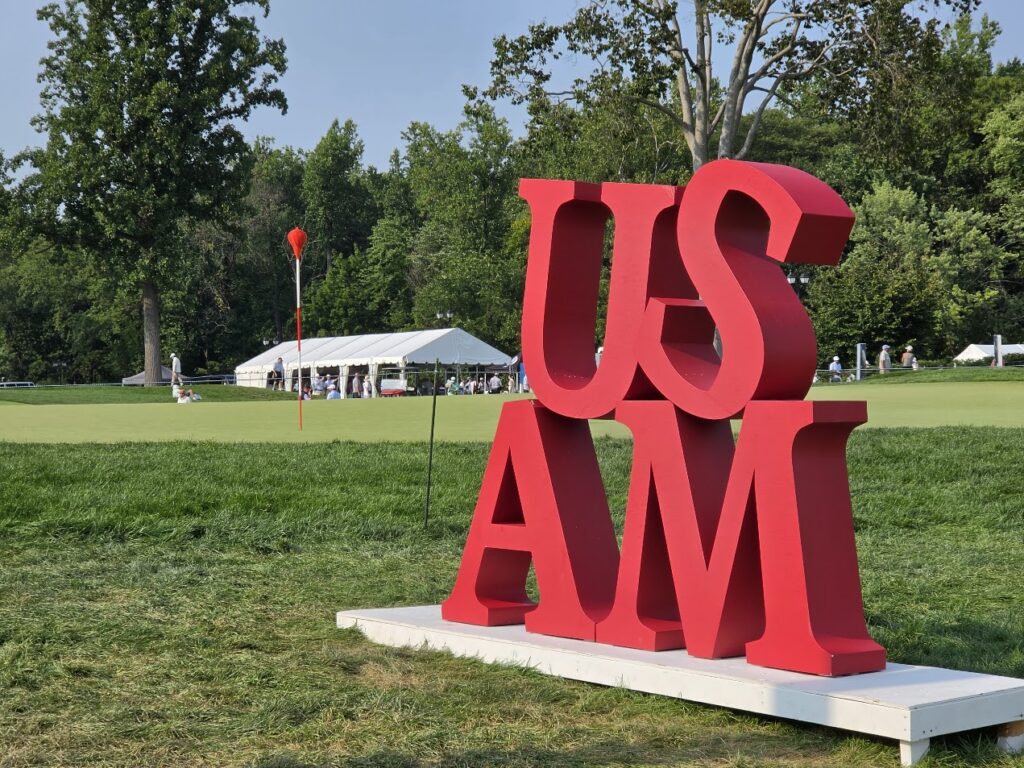
PBL: No, I was single, but I was dating my current wife. So, that helped out our relationship because she was at Penn State, so I met her when I was in the four-year program. And then, when I went back to the two-year program, we kept dating.
I worked with my Dad for like three years at Wilmington, myself and Greg James, and Mr Bader, who I also worked for at Pine Valley for the 85 Walker Cup. He decided he was going to retire in March, and I was sort of on a short list, and I got the opportunity to be here in the same capacity as I’m at right now. This was 1992; I was 26 years old.
So, what prompted me to go back to grad school at night? You’re dealing with so many people who are so brilliant. If you’re on the board of a prestigious golf club, it’s likely that you’re a very intelligent person. I was very well trained technically on being a golf course superintendent; but maybe some of the other aspects like on the accounting side and the other things, maybe not so much. I felt for me to be better at my craft, I’d have to go to grad school. The boardroom has not been my strong suit, but if you want to excel in your occupation, you self-evaluate what your strengths and weaknesses are. I thought that was something that I needed to do better at. In my education, I didn’t have a lot of business classes because it was all tactical. So, my wife and I both decided to go to grad school at night. I went to Rosemont, and she went to Temple – I got a Masters in management, and that was probably one of the more challenging things I’ve ever done in my life because I had a full-time job, and I was going to school at night. It was Wednesday nights you had class for four hours, and the theme was: read a 300 page book, write a 12 page paper, and give a presentation on it.
LN: You’re getting in to work at 5:30 in the morning, and you’re managing your team during this time period, how was that?
PBL: I was lucky that our kids were young, and my wife doing it at the same time, so we just had a ritual. I did not take classes in a summer. I did it in the Fall and Spring. I got through it, and I got a Masters Degree from Rosemont in management – that was a challenge because you’re still working a lot of hours. A lot of times, I would work all day, come home, see the family, and then go back to work, go to my office, and study because I was never the person who could study at home. I always had to go somewhere off property, like a library… so me coming back to work is what I did. I did That for two years.
LN: So you became the superintendent here (Merion) at 26 years old?
PBL: Yeah, so I was here at Merion for nearly seven years. We did the U.S. Girls Junior in 1998, and my aspirations were always to do championships & tournament golf. My father hosted the PGA Championship; he hosted several Masters. It was in my DNA as something that I really wanted to do. And at that time, Merion was pursuing the U.S. Open… and logistically, we were a little challenged outside the ropes. It was mentioned that they weren’t sure it would happen, and then I was approached (for another job).
LN: When you left here, you’re next stop was up in Rochester at Oak Hill?
It was crazy; I actually interviewed with Southern Hills on a Saturday and Sunday, they were having the U.S. Open (in 2001). Oak Hill was going to be having the 2003 PGA Championship. I got the job at Oak Hill, it was a really good fit for me because I stayed in the Northeast climate… and that golf course was in pretty bad shape.
We did more in a short period of time there; we did a five-million-dollar renovation, including a million dollars in drainage. That course had major drainage issues; we’re talking about a 30-inch pipe ten feet deep, going through the championship course. New irrigation, rebuilt all the bunkers, added new tees – working with the Fazio organization. Those are the opportunities you want. You don’t want a course where you’re just doing general maintenance. It was a club that was committed to making their golf course the best it could possibly be for the PGA Championship. Back then, five million bucks was a lot of money for a project.
LN: So, you were there for five years, and then you go to Muirfield Village to work for Jack (Nicklaus).
PBL: I loved Oak Hill, the membership… loved everything about it. I hated winters there. I’m the type of person who comes to work all the time. I’m a creature, like, even on weekends when I don’t have to be here, I’ll come in just to do something. Up there, you can’t walk the golf course in the winter, and it was just one of those things that has nothing to do with the club or the organization, they were great. On Tuesday (after the PGA), my Dad called me, and said he was talking with Mr. Nicklaus, and he mentioned he was looking for a superintendent and wanted to talk to me. During that time, Jeff Sluman and Jack were pretty good friends, and Mr. Sluman said some pretty nice things about my performance at Oak Hill. So I flew to Muirfield on Saturday (after the PGA Championship), and accepted the job on that Sunday. That was a pretty intimidating interview; you get off the plane… Jack and coach (Urban Meyer) are picking you up.
LN: Oh yeah, anyone that’s ever been around Jack knows about those intimidating looks he can give you with those blue eyes.
PBL: Yeah, I’ve been on the receiving end a few times… his eyes are piercing.
LN: That must have been pretty neat to get hired by Jack.
PBL: Oh yeah, Dublin. Ohio is an unbelievable place to live and raise kids. And then you’re having the Memorial tournament every year – that’s such a part of the community. Then in 2013, it was unique because Matt was having the Open here at Merion, Oak Hill had the PGA Championship, and we had the Memorial, and then we had the President’s Cup. So we go through tear-down at the Memorial, and then set up for the Presidents Cup. The places I’d come from had majors, the same year that we had the President’s Cup, that was ironic.
LN: That President’s Cup was a bit of a quagmire wasn’t it?
PBL: It was probably the most disappointing thing in my entire career. October is usually the driest month of the year. Five years of my life in the organization went into planning for the President’s Cup. We have a tropical storm come through and literally got five inches of rain that week. To this day, I can’t wear or look at anything with the President’s Cup logo. It was the biggest disappointment.
LN: It seems like through the years, Jack has had some tough luck with the weather at his events.
PBL: They’ll get a few dry ones, but historically there’s a little bit of rain that occurs during the Memorial, but that was beyond. I mean, it was tropical weather; we had hurricane conditions – got five inches of rain. Dew points thru the roof, it just rained all the time. I mean, we were lucky we finished the matches. I had my team going in front of each match, and they kept leap frogging through the golf course, through the crowds and just making sure to squeegee anything that was needed. We were just trying to finish because the next day, these guys were going different places.
We had the ceremony, moved it inside, and got like another inch of rain. It was just a freak weather event at the wrong time of the year, and that’s the thing that’s tough about championship or tournament golf. You could put in all the effort in the world… it’s a little like this year here at Merion. We’re the wettest we’ve been all summer, and it just happens to coincide with the beginning of the Amateur. I think it will be really good if we dodge raindrops, but it’s not where we wanted the conditions to be in the practice rounds or the stroke play, but we’re getting there now.

LN: Yeah, that’s funny you say that because I remember when I was here 15 years ago interviewing Matt (Shaffer) in 2011, and it was two years before the Open, and all he was trying to do was get to firm n fast. Then, during the interview he invites me to be on his team (for the ’13 U.S. Open), and I’m thinking, “oh yeah, it’s going to be great.” And then, the first Monday of Open week, we’re rebuilding the bunker left of 11, because the creek ran over from all of the rain. I know the goal is always firm n fast.
PBL: Always is
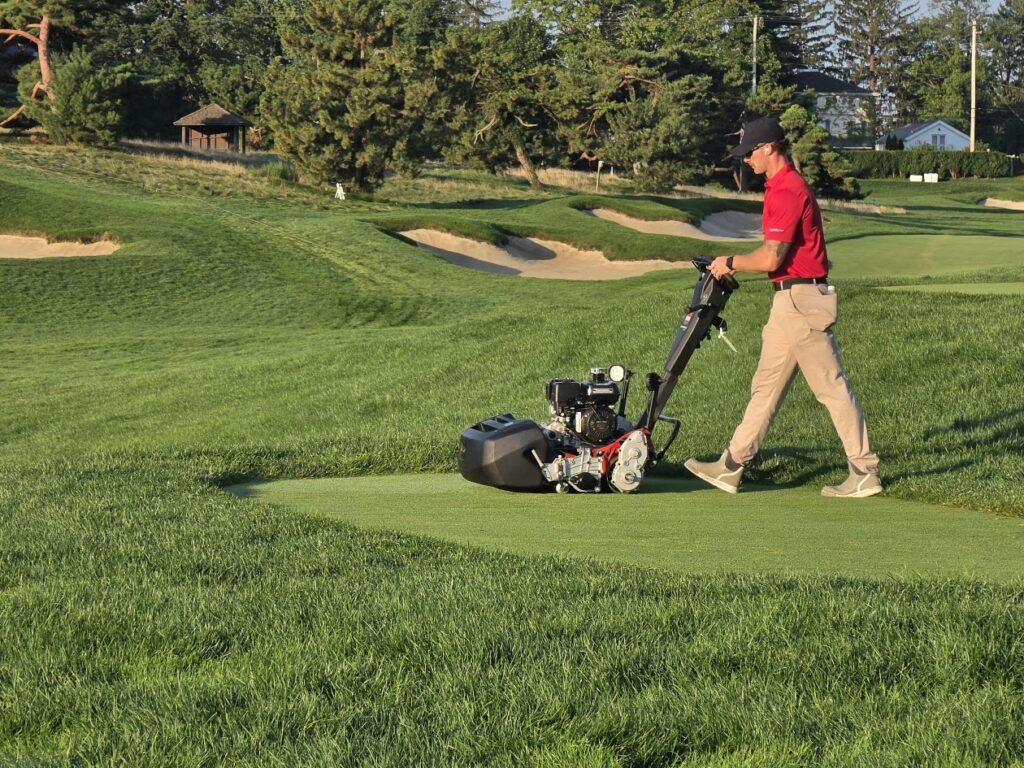
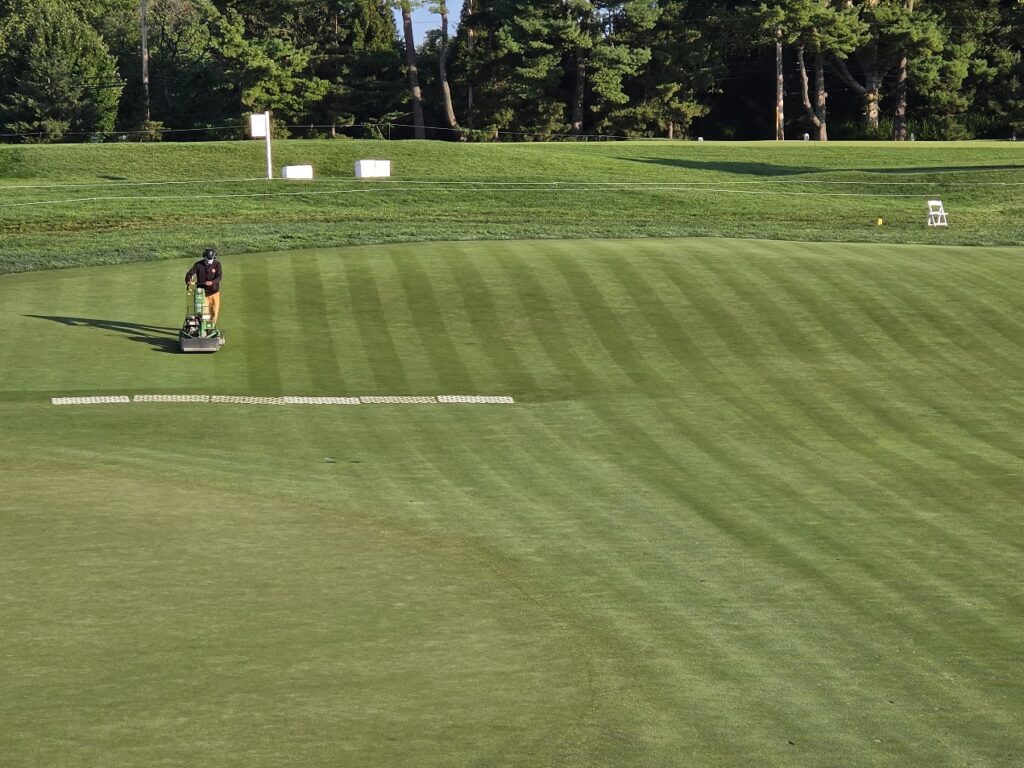
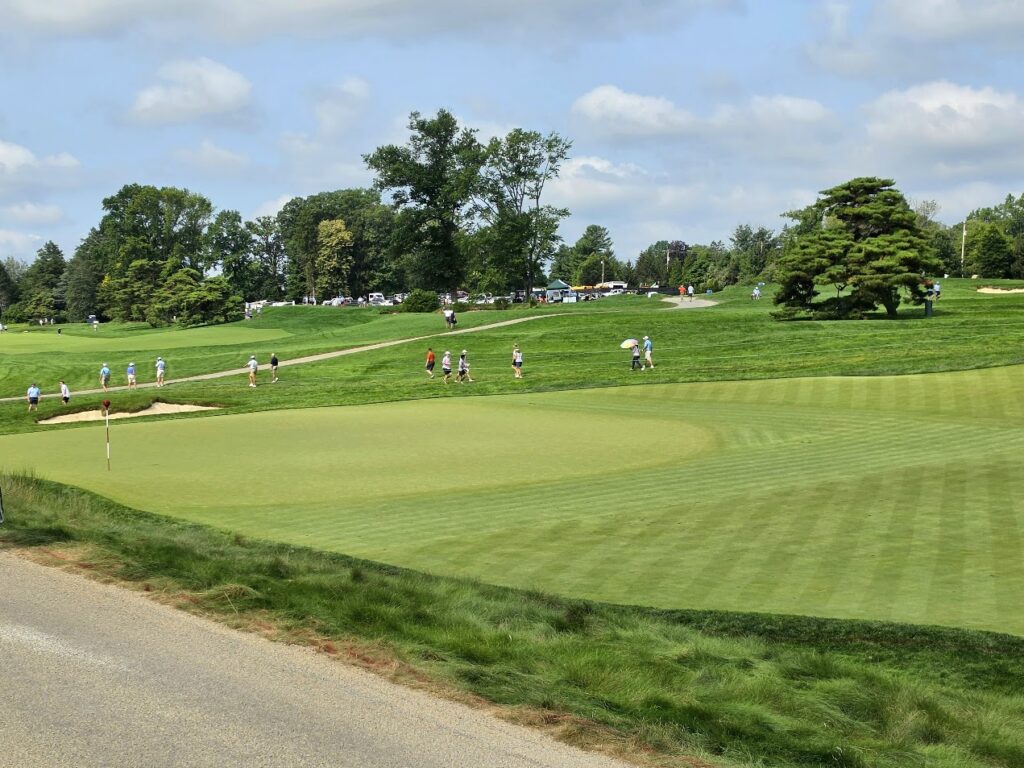
LN: Let’s talk about Merion for the Amateur this week. One of my favorite holes in the world is the fifth here. To me that hole design stands up anywhere, anytime, against anything. I walked it this morning, and I noticed there are multiple cutting angles and different mowers being used around that green complex. Can you elaborate?
PBL: Yeah, that’s happening on several holes, but it really shows up on that one… it doesn’t show up on other holes because you’re elevated; you see it, and then the approach goes around. We keep our collars and approaches really low. They are almost the same height, but we refer to them as, like the triangle areas. You’ve got these areas where you’re doing a lot of mechanical turning, and those usually are the weakest areas. So, we use a different mower on those areas that are really lightweight. And then we tie in with the mechanical more for the plant health and stress aspect, and then that line moves in and out. So you’re basically deviating your traffic.
LN: Can you compare your course prep for the Amateur here in August as opposed to what may be in store for the Open in 2030?
PBL: Having the U.S. Open compared to the Amateur is a totally different bailiwick. I mean, totally different – June, you’re at the strongest, August, you’re at your weakest for cool season grasses. I mean, we want to produce U.S. Open conditions at a time when usually cool-season grasses are at their weakest. It’s just factual in the area, you’ve been through the whole summer. The other thing makes it tough is, you want to keep everything good for June, but you want to keep your golf course good all the time. You’ve got to keep it through July and August, which is the toughest time for golf course maintenance here. For us, we were very lucky; the membership is very supportive. We closed the golf course for two weeks, took the traffic off… this is the strongest, and healthiest the surfaces have been since we’ve been here – so now that allows us to really start ramping up as we go and dry down.
Our speeds right now, which I can’t disclose, are already where they need to be… it’s just a matter of can we get the firmness where we want it to be?

LN: When I was here three weeks ago, I thought it was the best I had ever seen it. I don’t know where it was in your mind, but from a playability and firmness standpoint, I was blown away. It was my first time back since the Sunday of the U.S. Open in 2013, I had not seen the course since before the (Hanse/Wagner) restoration.
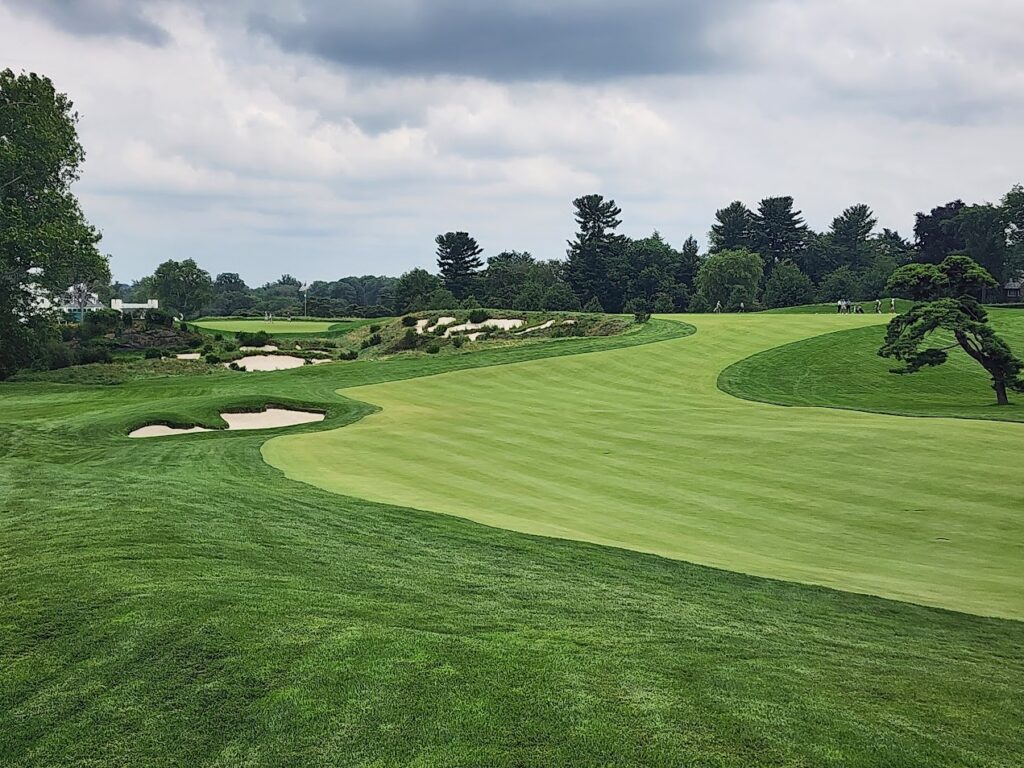
PBL: I think the biggest difference between the course then and now is really the bunkering. (PBL refers here to the consulting architect at each moment in time) Philosophically, the Fazio group had one way, and Gil has his. There’s a picture up there, sort of the North Star of what the bunkers were like originally – the white faces of Merion flashed up. Pre-restoration you had maybe 60% sand, and the Fescues up top, and a lot of the Fescues in those areas were elevated for the illusion of depth on bunkers. What Gil did was he took all that material, leveled it out, gained pin positions, and took the bunkers down. And so, now we’re 90% sand. So, I would say, I think the bunkering is the biggest difference; some people might say it looks cleaner – but really, if you look at the old pictures, it’s sort of what it was. There’s a great picture from the 50s, with the bunkers being all the way flashed up, with just a little bit of ruffle on the edges and the riveted edge breaking down.
And then, we also took out a lot of native areas, like left on 14, that was all native area. Gil didn’t want the native area to be penal, so we put a bunker in there. The bunkering is really one of the main features of Merion. Also the greens; in ’95 I fumigated them, and we went from Poa greens to Bentgrass greens… and so those greens were a lot older. They all segregate, so our new greens are only nine years old, but the previous greens were probably a lot older. So with older bentgrass greens, you get more *segregation (individual grass plants with minor genetic differences start sorting themselves out into visible, separate patches or clusters), more *mottling (the surface is developing a patchy, uneven, or splotchy multi-colored appearance instead of a uniform green color), that’s just a part of evolution with a golf course. I mean, these greens are starting to segregate. They’re just not as mottled.
LN: The Gill & Jim project – how much of the project was underground elements that we wouldn’t see from the surface, like drainage-related?
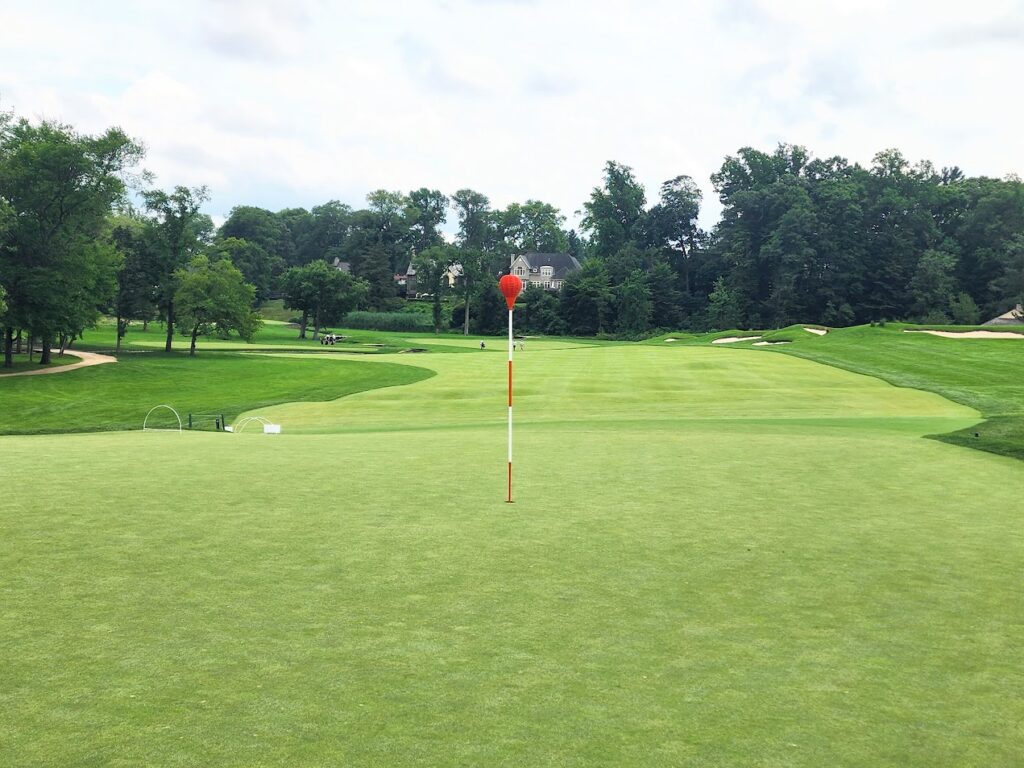
PBL: I always relate it to cars, I’m into cars and stuff. You got a classic car – it’s got an old school engine, and suspension, and everything else. So, a lot of what we did was below ground. Really a premium on drainage for these type of events. First, every green was rebuilt to USGA specifications. Gil did a phenomenal job of capturing pin positions that were lost through the years… The twelfth is a good example, right? I mean, look at five, it got bigger, nine is bigger now. Every green got bigger, and it was when he broke down those edges and tied in the bunkers.
The mission was: let’s make sure that if we’re going to bring those elevated edges down, we’re gaining pin positions, so Gil has created a lot of pin positions along the edges. Then on approaches, we basically shelled them out to 10 inches deep, put in a mix, 20 miles of drainage. Rebuilt all the tees, rebuilt all the bunkers, added fifty percent more sand, and then resodded the rough. So, irrigation, drainage, and the reservoir. The little building you see to the right of hole ten, between ten and eleven, there’s a 650,000-gallon reservoir underneath that. We were one of the first people to ever do that type of technology, because we didn’t want a body of water on the golf course… it doesn’t fit in. So that gets filled from Cobbs Creek, and also city water, and the pump station sits on top of that. So that’s our distribution Center for our irrigation. And then obviously, we’re the first people ever to put them below ground. Today it’s pretty commonplace, but you know when you’re 001 (to do something), you have some things you need to figure out, and we figured them all out. We were lucky we had a member like Mr Dissinger, who’s actually doing work at the Cobb’s Creek project now. The running joke is that it’s Merion South. Ben Dewan is in charge of the golf course. He came with me from Muirfield and then took that job. Nate Heller (Assistant), worked here, and he is down there. Pat was an intern down there. Dave Rivera is down there as well… yeah, we call it Merion South.
LN: We toured the project with two of the visionaries of the project – Dr. Joe Bausch and Mike Cirba (The Friends are led by Dr. Joseph Bausch, a Chemistry professor at Villanova University and Mike Cirba, an Information Management Executive for Good Shepherd Rehabilitation Network). The property is incredible.
PBL: It is really special, especially to have something like that in this city.
LN: The 2030 US Open. As we mentioned earlier, obviously the goal is firm and fast.
PBL: Always is, but that’s not just for the Amateur or the Open.
LN: You’ve been in this industry a longtime, what will hosting the U.S. Open at Merion mean to your career?
PBL: Well, (long pause, some emotion comes over him)… it’s the only thing I haven’t achieved. You know, when you start the journey at 12 years old… yeah, it’d be a good way to finish the career. It will never stack up to what my father has accomplished, but I’ll know we’ve done something that we’ll always remember.
LN: Well, that’s gonna be a great week then. I felt that for Matt (Shaffer), that Sunday in 2013, you know, at the end, when he had a beer after the team presented Justin Rose the wicker, and I could see the relief on Matt’s face… the expression was accomplishment – we did it. You know what I mean, his whole career, from when he was a young guy just trying to make it. At that point, he was probably in his early 60s. Relief more than Joy, we accomplished it, you know, everybody got together from all over the world – we did it.
PBL: Exactly. Once we get through this week, we’ll start looking forward.
LN: I’ve heard you refer to your Dad as the Michael Jordan of the industry.
PBL: Absolutely, he is.
LN: I’m guessing that would make you the Kobe Bryant.
PBL: (Big laughs) Thank you.
LN: I was walking the 5th hole this morning, and I’m thinking about questions I’m going to ask you, and I look over, and see these separate walk-mow patterns around that green complex, and I’m like… wow, I never seen that before. Look at the different angles of these cuts (forming a seamless transition from the fairway into the approach area and the green collars). I thought, I can’t wait to ask him about that. You revealed to me that you use a lighter mower to take the stress off those areas; where does the idea for that come from?
PBL: I got that idea from my buddy that took over from me at Oak Hill. We’re fortunate, we have the best mechanic in the country – Robert is brilliant. Everything starts with the mowers.
LN: I asked Matt Shaffer what he would ask you, two things: What’s the hardest championship you’ve ever hosted?
PBL: The Presidents Cup at Muirfield, 100%.
LN: Conversely, what’s your favorite event you hosted?
PBL: I have to honestly say it’s a PGA Championship in 2003. It was my first, it was.an accomplishment. Everything came together. Golf course was damn good. You work towards it, then you have it. Then you want more, you know what I mean? It’s like you have that juice, and you have the feel. And it’s funny, because Urban Meyer, I used to see him all the time at Muirfield. And like my thing with the Memorial Tournament was, you know, we would do really well, and Jack would be happy… and I’d be unhappy. There’s five percent that we didn’t get right, you know. It’s always like you’re pushing for perfection. You never can get it, and it almost drives you crazy. Like, when we get it done, I couldn’t even enjoy it. It was, alright, we’ve got to do better for the next one. It’s a strength and a curse at the same time.
So, like this week here at the Amateur, I was a little concerned going in because what we haven’t been this wet all year. We track firmness every day, we’re the softest we’ve been going into the practice rounds and the stroke play that we’ve been all year. Today, we’re on track, if we can control the moisture we’re going to be where we wanted be. We’ll have a good showing.
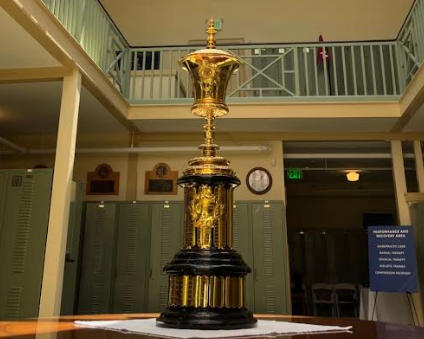
LN: The future of Agronomy, you’ve been in the business forever (48 years). It’s hard to get young people to come into this line of work these days. As you say, you come out here on weekends, work long hours. I remember the first day I met Matt; it was July 4th. 2011, and I thought, wow, he’s here on July 4th. They’re not making Paul Latshaw’s anymore. There might be a few, right, if you go to Temple or Penn State or Ohio State – in these places you’re going to find some of these kids, but it seems like every young person wants to work in air conditioning on a computer, be a YouTuber, whatever. I know, we’re going to autonomous mowers. I know we are. I’ve resisted it, and now I see it’s inevitable. How do the Merion’s of the world, the Oakmont’s… how does this sustain without the Paul Latchaws and the Matt Shaffers of the world? Am I being too cynical?
PBL: I’ve never not worked a 4th of July. It’s what my Dad said, and what I tell the guys – if you’re in this business, grass doesn’t care if it’s the weekend or what day is. It’s going to die just as quick, so you’ve got to be here. First of all, this occupation – for someone to get into it, we’ve got to do better at promoting what a golf course superintendent does, and I don’t think people have any clue. I mean, you know, my college education is my science background; I was taking the same classes as people in pre-med. So you’ve got the whole science of growing grass, and it’s very sophisticated as a living entity. Then there’s management; I have 77 employees. My roommate in college graduated with a degree in management, and he’s only in charge of like 20 people. You have the hiring, firing, the training, and that whole aspect. Then you have the financial duties of a large budget; every invoice you’re in charge of. Then you’re also selling your programs to the membership; nobody wants to aerify greens. Nobody wants to do these things, but they want the results. You’ve got to sell these, so you look at what superintendents do, and I don’t think people understand all that goes into it, but our industry has to do a better job of letting young people know about this. I’ve had many guys who were basically looking for summer work, fell in love with it, and then went to school. So, you know, they’re out there.
I think we’ve got to do a better job of selling what superintendents are. Talk about a golden age, there’s more golf courses, more opportunities right now than when I got in the business by a long shot. As far as like the hours and stuff, I’ve changed the way I manage, we give every other weekend off, but I still work these guys hard, and they’re very committed. To be here you’ve got to be an A type personality. You have to want to succeed. We’ve got to get more people because it’s a hell of a way of making a living, but you have got to love it, and you’ve got to realize there’s gonna be some long hours associated with it.
I’m about to go on a tangent here, but you know… people say, work-life balance work, work-life balance. I’m like, if you want to be the best, you want to excel, the great coaches in college and the NFL, you know during season they’re going hard.

LN: Yeah, you hear the stories about them sleeping in their offices at times, just obsessed with being successful.
PBL: Yeah, like Sabin. If you want this type of occupation, good news – there’s a lot of different levels of different opportunities within golf courses. If you’re at Merion or Oak Hill, Oakmont or Winged Foot, people from all over the world come to play golf here, and it’s your responsibility, and the goal is excellence every day. I mean, you want it to be special for these people. I can tell you the guys I have are gonna make it.
I grew up a Steeler fan, and Chuck Knoll used to say, “I don’t coach aggression, I draft it.” I tell people, I try to recruit type A people who want to succeed and want to be where I’m at, and they’ll make it. And these types of events – it was funny; our HR dept had to reprogram where the time clock system was punching people out because they didn’t realize you could work in 19 hour day (laughs).
You know, I’ve been pretty fortunate, this organization has been really good to me.
LN: In 2013, I was cutting the range every morning of Open week on a triplex with (Merion staffer) Paul Porto, and Dean Lenertz from New South Wales (Australia). I had no idea that week would change my life. Dean, (and the late Robert Birdsall) and I ended up becoming close friends and worked 3 U.S. Opens together. People like yourself, Matt, and your Dad open doors and create networking opportunities and friendships that last a lifetime. I was doing an interview like this here 15 years ago with Matt, and Matt figures out that I may have some background in the industry and starts asking me questions – essentially interviewing me. I don’t remember his questions, but at one point he turns to me and says, “Okay, how would you like to work for me at the 2013 US Open?” I was like? Wait, what!? He could have simply finished the Q&A, exchanged a handshake, said thank you, and drove off in his utility cart, and I would have been grateful for the time he shared… but he opened a door for someone he had just met, and changed my life forever. To me it was a masterclass in humanity, leadership, listening and generosity. And your Dad was his mentor. So, it’s not really a question, but an observation about this industry and a man with a big personality who left a huge impression…
PBL: Matt is a remarkable individual, I have so much respect for him. He’s a big personality, that’s one thing I wish I was more like. I’m pretty introverted and task-oriented. He loves talking to people. Just think of the circles on things like this; we had 65 volunteers this week. We did this at Muirfield too. Those connections are for life, and that’s what I told the guys this week when we shot the video. I mean, the connections are going to be for life. Tyler Bloom is a former employee, and he has a head-hunting (talent placement) company. Yeah, and he’s had people basically say that the reason why they got the job is because that person volunteered, and it happened to be for me at Muirfield. It wasn’t because I did anything for him, but he showed progression. When you come to these places, you’re going to bust your ass. I mean, you’re gonna go on only a few hours of sleep, but you’re also going to meet the best of the best, and if you interchange and show you want to excel at your occupation. You want to be the best version of yourself,
LN: Great stuff, you never stop learning, right? Even if you’re down to your last couple of months in a job, or even a career, you’re still grinding, trying to learn more every day.
PBL: My Dad would wasn’t certified, but he would always go to these seminars. And people would look and say that’s the superintendent of Augusta National, he’s in the front row taking notes, and I’m the same way. The only asset you have in life is yourself. If you’re not investing in yourself, what are you doing?
LN: Amen
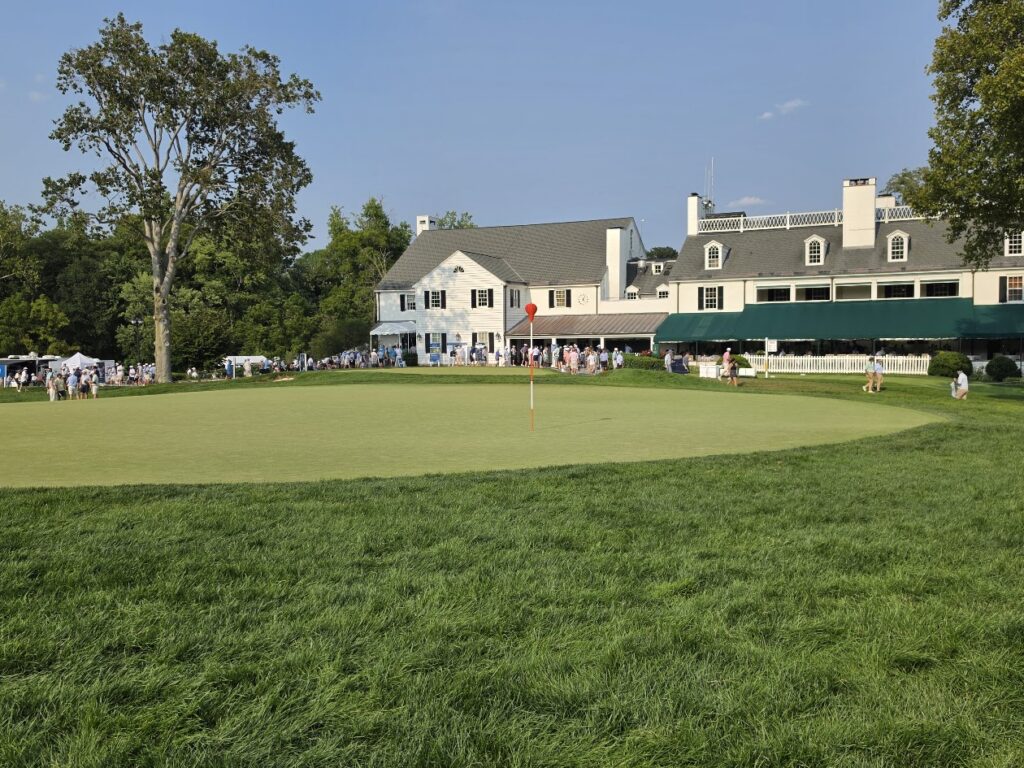
*Huge thanks to Paul B. Latshaw and Merion Golf Club. During Am week, I observed the finest agronomy operation I’d ever seen at any championship -despite Mother Nature bringing the moisture during the final match, Merion was the star.